The 2025 Cardiovascular
Integrated Academic Conference
April 18~19, 2025, Bexco, Busan
Inha University College of Medicine Dae-Young Kim
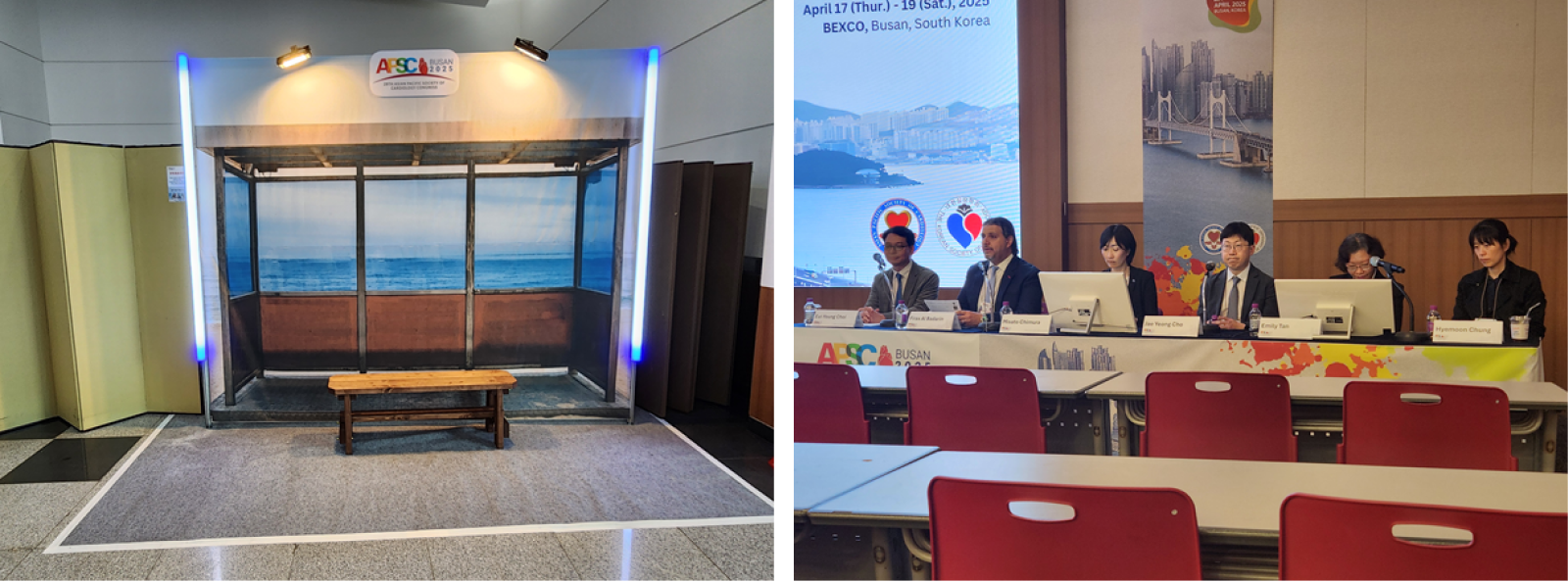
On a spring day filled with warm sunshine and a refreshing breeze, the Asian Pacific Society of Cardiology Congress (APSC) was successfully held in conjunction with the Korean Society of Cardiology (KSC) Spring Scientific Conference from April 17 to 19, 2025, at BEXCO in Busan. This conference, held jointly with the KSC, became a meaningful gathering that brought together numerous cardiology experts from Korea as well as from across the Asia-Pacific region.
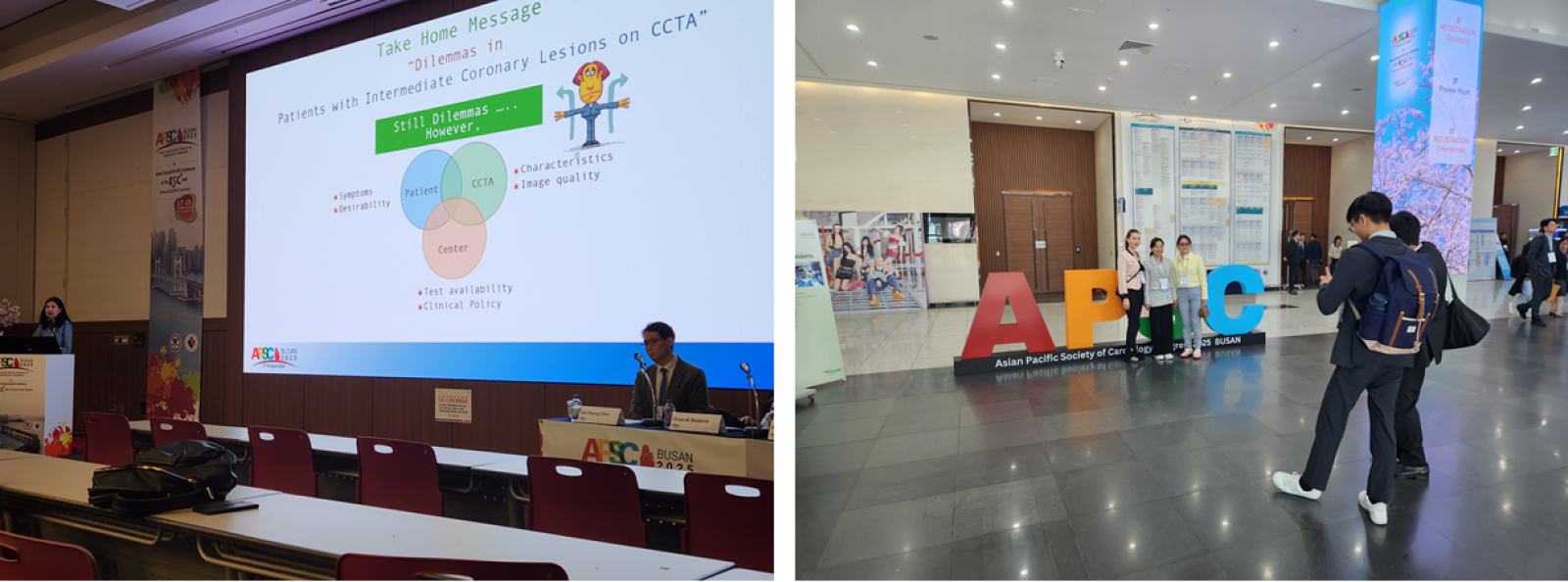
Throughout the conference, a wide range of in-depth sessions were organized across various subspecialties of cardiology. Particularly, the active participation of distinguished speakers and panelists from different Asian countries added significant academic depth to the event. The discussions provided valuable insights by addressing many topics of interest from diverse national perspectives and exchanging various experiences and knowledge. In particular, the sessions on specific topics provided an interesting opportunity to compare approaches to a single clinical issue, reflecting different national contexts and healthcare systems. Speakers from Singapore, Taiwan, Thailand, and other regions gave detailed explanations on how similar clinical questions are diagnosed and treated according to their national guidelines and medical environments. Through these sessions, it was possible to keenly realize how the application and interpretation of medical issues can differ depending on local contexts. Additionally, the lively discussions and questions throughout the sessions enabled in-depth exchanges. In the session featured in the attached photos (Common Dilemmas for Diagnosing Ischemic Heart Disease), Professors Choi Eui-young and Jo Dong-hyuk provided detailed explanations of various diagnostic modalities for accurately diagnosing ischemic heart disease, as well as how these methods are applied at their respective institutions. Following that, Professors Jo Jae-young, Jung Hye-moon, and several other panelists and speakers shared detailed diagnostic and treatment strategies based on each country's guidelines, clinical environments, and real-world experiences, continuing the active discussions.
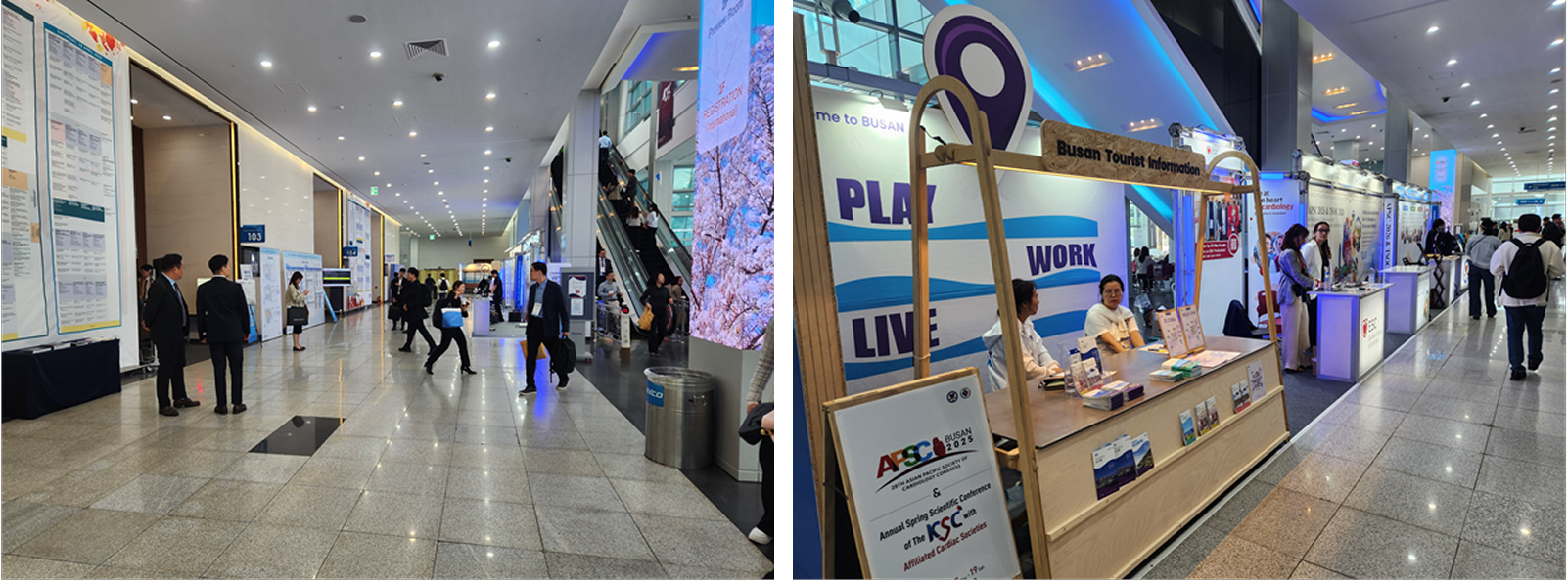
The APSC-KSC scientific conference was not merely an opportunity to acquire the latest knowledge but also served as a precious platform for mutual growth among cardiologists throughout Asia. Hopefully, platforms for exchange like APSC will continue to thrive and contribute to the advancement of academic progress.
Ewha Womans University College of Medicine Min jeong Kim
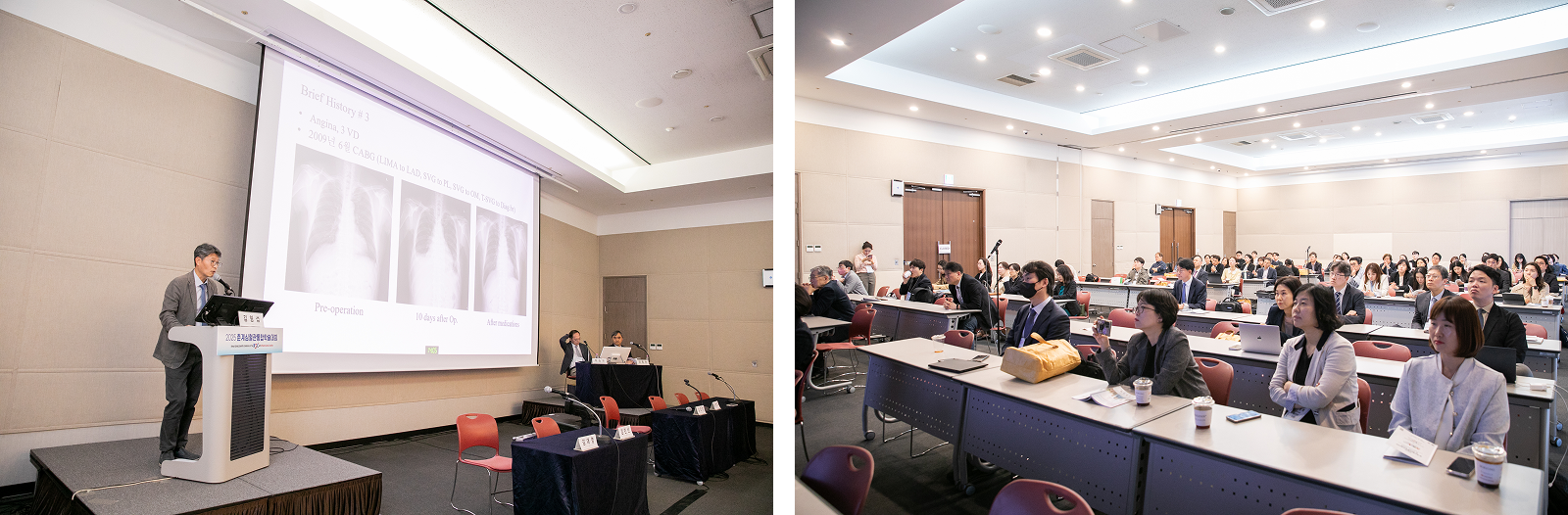
On a warm spring day, despite the challenging healthcare environment, the 2025 Cardiovascular Integrated Academic Conference, which gathered the passion of many doctors, was held at BEXCO in Busan from April 18 to 20, 2025. The KSE sessions this year were also rich in diverse topics, providing a valuable opportunity to gain the latest insights and find new inspiration for both clinical practice and research.
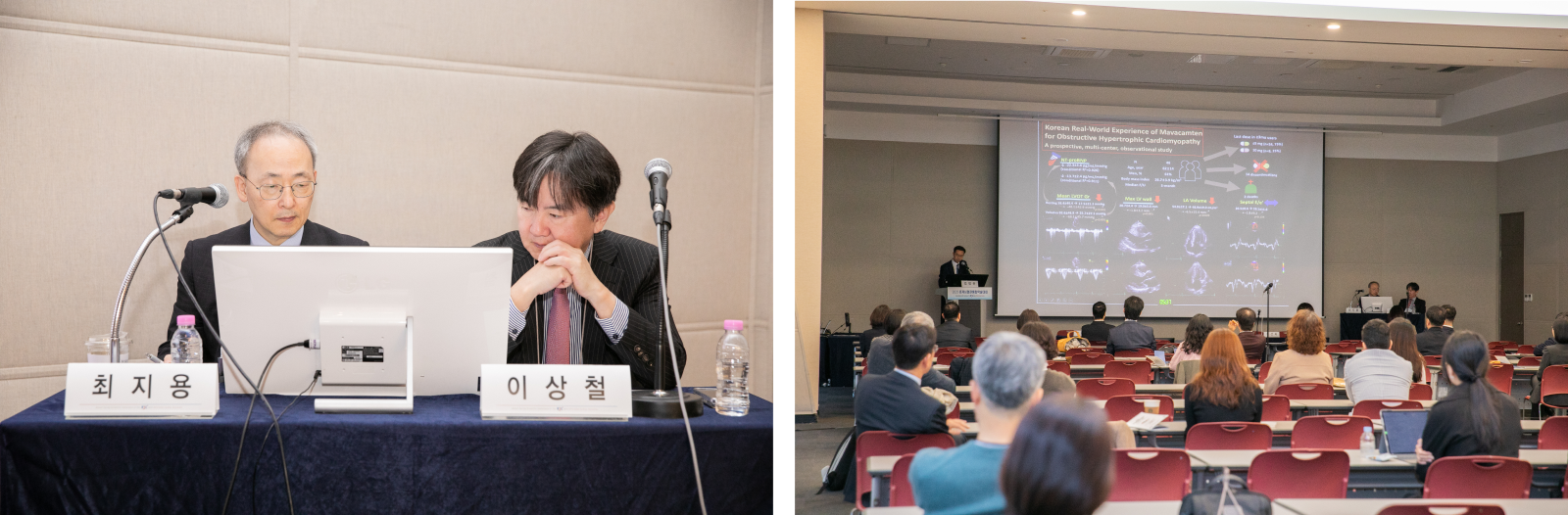
On April 18, a session on the latest diagnosis and treatment strategies for Hypertrophic Cardiomyopathy (HCM) was conducted. This session included in-depth lectures on the epidemiology, genetics, and diagnosis of HCM, as well as a detailed discussion on Mavacamten, which was recently covered by insurance. It was personally very beneficial to gain insights into the considerations when using the medication and the answers to various clinical challenges encountered in clinical practice. The following Mitral Regurgitation session shared the latest perspectives on MR classification, severity assessment, and the application of multimodality imaging techniques. On April 19, case-based lectures on special echocardiographic techniques (such as 3D Echo, Speckle Tracking, Contrast Echo, and Stress Echo) were held. Through specific cases, it was possible to learn how each technique can be efficiently used in determining diagnosis and treatment direction. A particularly meaningful moment for me was the Pericardial Disease session, in which I participated as a panelist. Various pericardial diseases were discussed in depth, and the speakers presented real clinical cases that highlighted the challenges faced in practice and detailed approaches to overcoming them. It was a very rewarding experience to participate in the discussion and share thoughts as a panelist.
I would like to express my heartfelt gratitude to all the doctors who maintained their passion for academia despite the challenging circumstances, and I hope that in the future, academic exchanges will continue in a better environment and become even more free and fruitful.